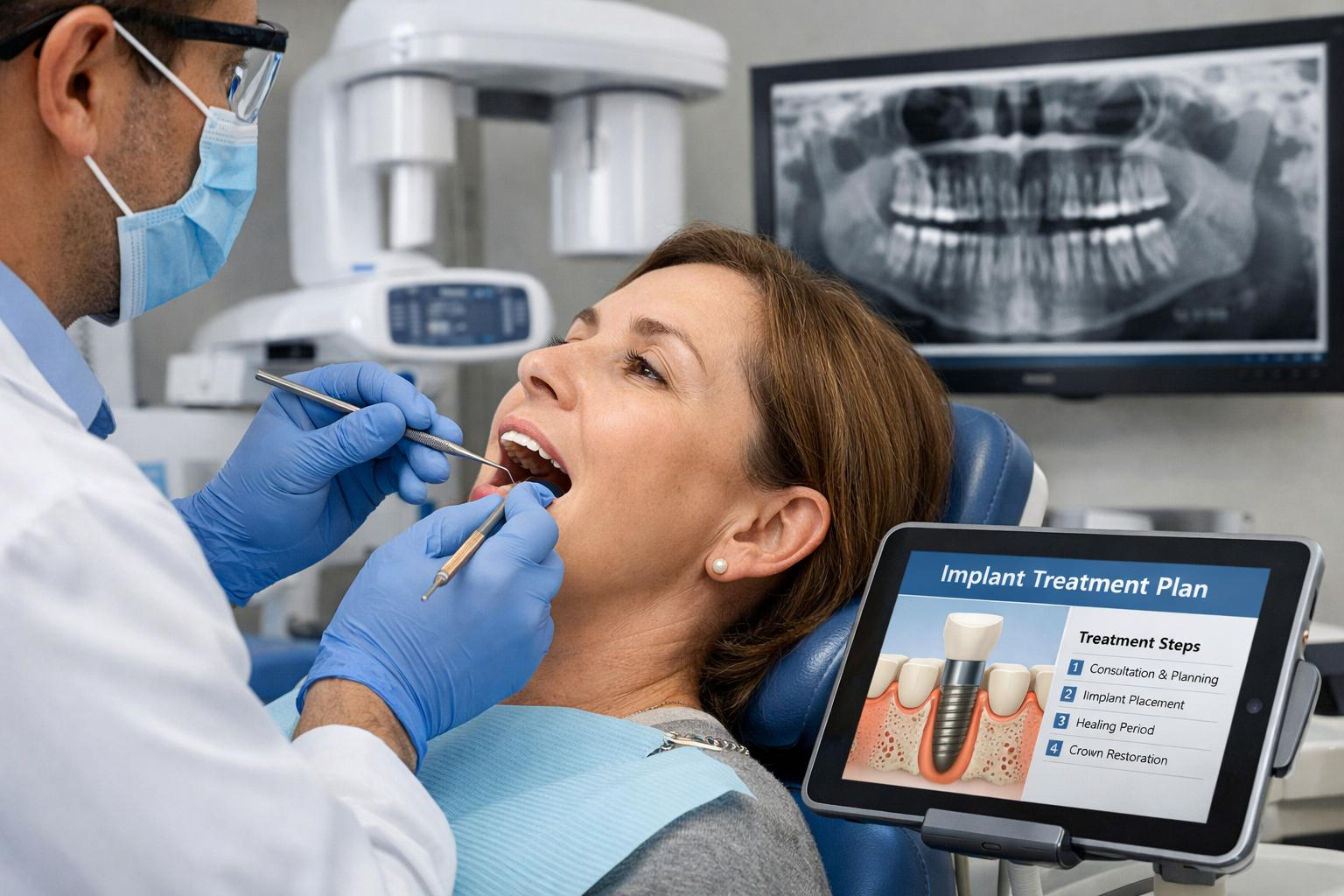

Replacing missing teeth involves more than restoring the appearance of a smile. Tooth loss can affect chewing, speech, jawbone health and confidence. Dental implants offer a way to replace missing teeth by placing artificial roots into the jawbone and supporting them with custom-made restorations. Among the available implant materials, zirconia has become an option for patients interested in metal-free dental treatment.
Understanding the stages involved in zirconia dental implants in Dallas TX can help patients make informed decisions before beginning treatment. From the initial examination to final restoration and long-term maintenance, each stage requires careful planning to support comfort, function and implant stability.
What Are Zirconia Dental Implants?
Zirconia dental implants are made from zirconium dioxide, a ceramic material used in dentistry because of its strength, biocompatibility and tooth-coloured appearance. Unlike conventional titanium implants, zirconia implants are metal-free and generally have a white or ivory appearance.
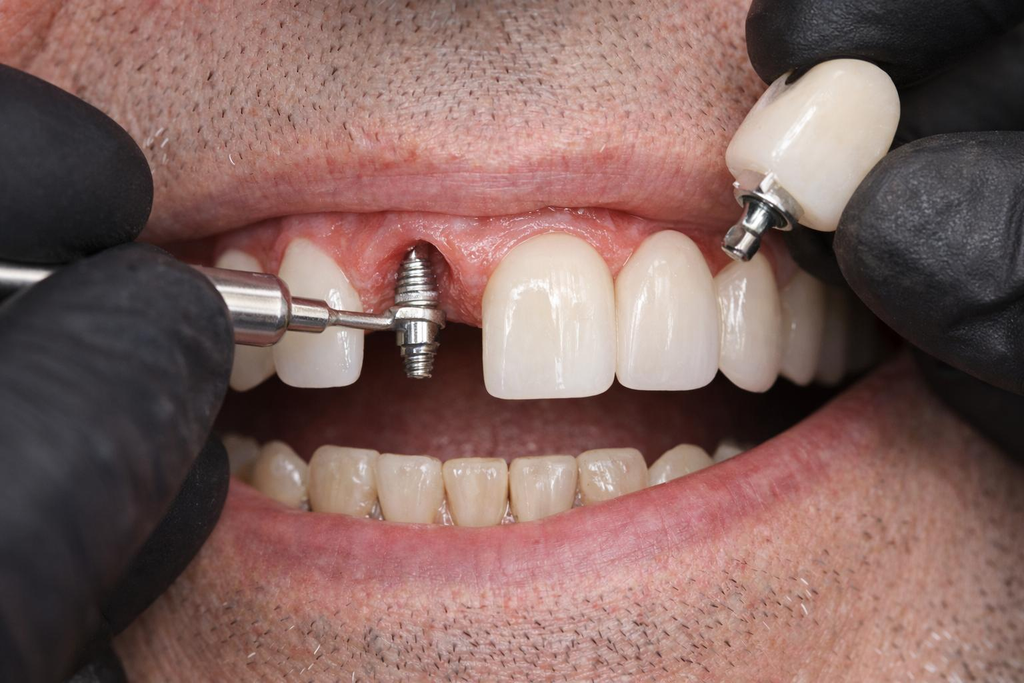
They are designed to serve as artificial tooth roots. Once placed in the jawbone, the implant gradually integrates with the surrounding bone. A dental crown or another suitable restoration can then be attached to replace the visible part of the missing tooth.
Zirconia implants may be available as one-piece or two-piece systems, depending on the design. The structure can influence how the implant is placed and how the final restoration is connected.
Step 1: Initial Consultation and Oral Examination
The treatment process begins with a detailed dental assessment. The dentist reviews the patient’s oral health, medical history and expectations to determine whether zirconia implants are appropriate.
Evaluating Dental and Medical History
During the consultation, the dental professional may ask about:
- Previous dental procedures and tooth loss.
- Existing gum disease or untreated infections.
- Medical conditions that may affect healing.
- Medications and allergies.
- Smoking habits and other lifestyle factors.
- Teeth grinding or jaw clenching.
This information helps identify potential risks and determine whether additional treatment is necessary before implant placement.
Examining the Mouth
The dentist examines the gums, remaining teeth, bite alignment and available jawbone. Gum health is particularly important because inflammation or untreated periodontal disease can affect the tissues surrounding an implant.
Patients may need treatment for gum disease, cavities or other oral health concerns before proceeding.
Step 2: Diagnostic Imaging and Treatment Planning
Accurate planning helps determine the appropriate implant position and restoration design. Dental X-rays and three-dimensional imaging, such as cone beam computed tomography (CBCT), may be recommended to examine the jawbone and surrounding anatomical structures.
These images help assess:
- Jawbone height, width and density.
- The position of nerves and nearby anatomical structures.
- Available space for implant placement.
- The relationship between the proposed implant and neighbouring teeth.
- Whether bone grafting or other preparatory procedures may be needed.
The dentist also considers the appearance of the final tooth, including its shape, size and position. This is important for achieving a natural-looking result that fits comfortably with the patient’s bite.
Step 3: Checking Suitability for Zirconia Implants
Not every patient is automatically suitable for zirconia implants. Their suitability depends on oral health, bone condition, treatment requirements and the available implant system.
Bone Density and Volume
The jawbone needs sufficient volume and quality to support an implant. If bone loss has occurred following tooth extraction or long-term tooth loss, additional treatment may be recommended.
Bone grafting may help rebuild areas with inadequate bone, although it can extend the overall treatment timeline.
Gum Health and General Health
Healthy gums provide important support around the implant. Patients with active gum disease may need periodontal treatment before surgery.
Certain medical conditions, medications and habits can also influence healing. A dentist should review these factors before recommending treatment.
Why Consider Zirconia?
Patients may consider zirconia for several reasons:
- It is a metal-free ceramic material.
- Its light colour may be beneficial where gum tissue is thin.
- It has good biocompatibility.
- It can provide an alternative for patients who prefer not to have metal implants.
However, zirconia is not necessarily suitable for everyone. Its clinical evidence, long-term performance and available restoration options differ from those of titanium systems. Patients should discuss the advantages and limitations with their dental professional.
Step 4: Preparing for Implant Surgery
Before surgery, the dentist provides instructions to help patients prepare. These may include guidance about eating, drinking, medication and arranging transport if sedation is planned.
If preparatory procedures are required, such as tooth extraction or bone grafting, they may be completed before implant placement or as part of a coordinated treatment plan.
Patients should also discuss any prescribed medication with their dental professional rather than stopping or changing it independently.
Step 5: Placing the Zirconia Implant
Implant placement is a surgical procedure performed under local anaesthesia. Sedation may also be available depending on the patient’s needs and the complexity of treatment.
Preparing the Implant Site
The dentist makes an incision in the gum tissue to access the jawbone. A carefully planned opening is created in the bone to accommodate the implant.
The site preparation needs to be precise because the implant’s position can influence its stability, appearance and relationship with nearby structures.
Inserting the Implant
The zirconia implant is placed into the prepared site. The gum tissue is then positioned and secured according to the surgical approach.
Depending on the implant design and clinical circumstances, the restoration may be connected immediately or at a later stage. Immediate placement of a temporary tooth is not suitable for every patient.
After surgery, patients receive instructions about managing discomfort, swelling, oral hygiene and food choices.
Step 6: Healing and Bone Integration
After placement, the implant needs time to integrate with the jawbone. This biological process, known as osseointegration, helps create a stable foundation for the replacement tooth.
The healing period varies depending on bone quality, surgical complexity and whether additional procedures were performed.
During this stage, patients may be advised to:
- Eat soft foods while the surgical site heals.
- Avoid chewing directly on the implant area when instructed.
- Maintain gentle oral hygiene.
- Avoid smoking and tobacco products.
- Attend scheduled follow-up appointments.
- Report unusual pain, swelling or signs of infection.
The dentist monitors healing before deciding whether the implant is ready to support the final restoration.
Step 7: Attaching the Final Dental Restoration
Once the implant has achieved adequate stability, the next stage involves fitting the replacement tooth.
The restoration may be a single crown, a bridge or another suitable prosthetic option, depending on how many teeth are missing.
The dentist checks the restoration’s fit, appearance and bite alignment. Adjustments may be necessary to ensure that the replacement tooth does not experience excessive pressure during chewing.
The final result should be comfortable, functional and compatible with the surrounding teeth and gum tissues.
Recovery and Aftercare Following Treatment
Recovery begins immediately after surgery, although complete implant healing takes considerably longer. Mild swelling, tenderness and minor bleeding may occur during the early days.
Patients should follow their individual post-operative instructions rather than relying on a general recovery schedule.
Long-term care is equally important. Zirconia restorations cannot develop tooth decay, but the surrounding gums and bone can still be affected by bacterial plaque and inflammation.
Good maintenance includes:
- Brushing twice daily with a soft-bristled toothbrush.
- Cleaning between teeth using suitable interdental tools.
- Attending routine dental examinations.
- Following professional cleaning recommendations.
- Avoiding habits that place excessive pressure on the restoration.
Consistent care helps protect the tissues surrounding the implant and supports its long-term function.
Potential Risks and Limitations to Understand
Like other implant procedures, zirconia implant treatment involves potential risks. These can include infection, delayed healing, insufficient bone integration, gum recession and damage to nearby anatomical structures.
Zirconia is a ceramic material, so implant design and mechanical considerations are important. The suitability of one-piece or two-piece systems may vary depending on the patient’s anatomy and restoration requirements.
Patients should also understand that long-term research on zirconia implants is less extensive than the evidence available for traditional titanium implants. A qualified dental professional can explain the current evidence and discuss whether the material is appropriate for a particular case.
Conclusion
Zirconia dental implant treatment involves several stages, including consultation, diagnostic imaging, suitability assessment, surgical placement, healing and final restoration. Each stage contributes to creating a stable replacement for missing teeth while considering the patient’s oral health and functional needs.
People researching zirconia dental implants in dallas tx should discuss their treatment goals, bone condition, available implant designs, expected timeline and long-term maintenance requirements with a qualified dental professional. Understanding both the benefits and limitations of zirconia can help patients make a well-informed decision about their tooth replacement options.