
International trade depends on reliable transportation systems that move products between countries and continents. From raw materials and industrial equipment to consumer goods and retail products, businesses need efficient ways to transport large quantities of cargo across long distances. Sea freight services play an important role in this process by providing a practical and cost-effective method of moving goods through international waterways. Ocean shipping connects major commercial ports, supports global supply chains, and allows businesses to transport different types of cargo in large volumes. Understanding how the global shipping process works can help importers, exporters, and business owners make informed decisions about transportation, documentation, cargo handling, and delivery schedules.
What Are Sea Freight Services?
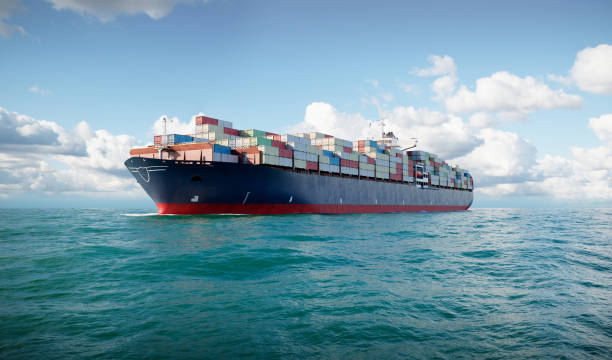
Sea freight services refer to the transportation of goods from one location to another using cargo ships. These services are commonly used for international shipments because ships can carry substantial quantities of products over long distances.
Businesses use ocean transportation to move everything from packaged consumer products and construction materials to machinery, agricultural commodities, and industrial supplies.
Unlike air freight, which focuses on faster transportation, sea shipping is generally suitable for shipments where cost efficiency and cargo capacity are important considerations.
The process involves several stages, including cargo collection, export documentation, port handling, vessel transportation, customs clearance, and final delivery.
How the Global Sea Freight Shipping Process Works
International ocean shipping involves coordination between exporters, importers, freight forwarders, shipping operators, port authorities, and customs officials.
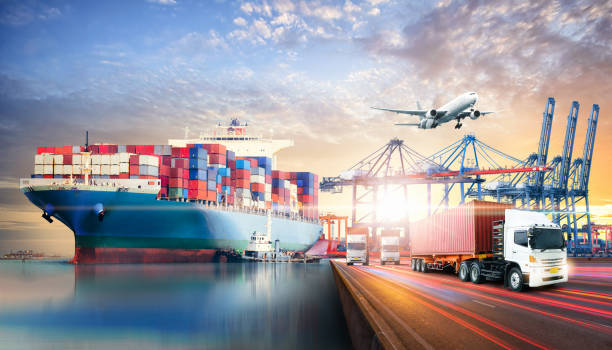
Each stage has a specific purpose in ensuring that cargo reaches its destination safely and according to the agreed transportation arrangements.
See also: Swimming Bags: What to Look for in a Practical and Durable Design
1. Booking and Shipment Planning
The shipping process begins when an exporter or importer arranges transportation for the cargo.
At this stage, businesses provide important shipment information, including:
- Type and quantity of goods.
- Cargo weight and dimensions.
- Collection and delivery locations.
- Origin and destination ports.
- Required shipping dates.
- Special handling or storage requirements.
Based on this information, the transportation arrangement is planned. The selected shipping method depends on cargo volume, delivery expectations, budget, and the nature of the products.
Accurate shipment details help prevent booking errors and unnecessary delays.
2. Cargo Collection and Preparation
After the shipment is arranged, the goods are prepared for international transportation.
Products must be packed appropriately to withstand handling, loading, unloading, and movement during the voyage.
Packaging requirements depend on the type of cargo. Fragile items may need additional cushioning, while heavy industrial equipment may require specialized securing arrangements.
Cargo preparation generally includes:
- Checking product quantities.
- Selecting appropriate packaging materials.
- Labelling packages correctly.
- Preparing export documentation.
- Verifying shipment weight and dimensions.
- Ensuring compliance with applicable shipping regulations.
Proper preparation reduces the risk of damage and makes subsequent handling operations easier.
3. Container Selection and Cargo Loading
The next stage involves selecting a suitable container or cargo arrangement.
Different types of containers are available depending on the dimensions, weight, and characteristics of the goods.
Full Container Load (FCL)
Full Container Load shipping is used when one shipment occupies an entire container. It is commonly preferred by businesses transporting larger cargo volumes.
FCL shipments can provide greater control over container loading and handling arrangements.
Less Than Container Load (LCL)
Less Than Container Load shipping is suitable for smaller shipments that do not require an entire container.
In this arrangement, cargo from multiple customers is consolidated into one container. Each customer pays for the space occupied by their goods.
LCL can be useful for businesses that ship smaller quantities or do not have enough cargo to fill a complete container.
Specialized Container Options
Some products require specific transportation conditions. Refrigerated containers are used for temperature-sensitive goods, while open-top and flat-rack containers may accommodate oversized cargo.
Selecting the appropriate container helps protect goods during transportation.
4. Transportation to the Export Port
Once the cargo is packed and prepared, it is transported to the designated departure port.
Depending on the shipment arrangement, this movement may involve trucks, rail transportation, or a combination of different transport methods.
This stage is often called the inland transportation process.
The cargo must arrive within the required port receiving period to complete documentation checks, inspections, and loading arrangements.
Delays during inland transportation can affect the planned vessel departure, making proper scheduling important.
5. Export Customs Clearance
Before cargo can leave its country of origin, it may need to undergo export customs clearance.
Customs authorities review shipment details and supporting documents to ensure that the goods comply with applicable export regulations.
Common documents include:
- Commercial invoice.
- Packing list.
- Export declaration.
- Bill of lading information.
- Certificates or permits when required.
- Other product-specific compliance documents.
The exact requirements depend on the exporting country, cargo category, and destination regulations.
Accurate documentation is essential because missing or inconsistent information can result in inspections, additional costs, or shipping delays.
6. Vessel Loading and Ocean Transportation
After completing the necessary port procedures, the cargo is loaded onto the assigned vessel.
Port operators and cargo-handling teams use specialized equipment to move containers and other shipments onto ships.
Once loading is completed, the vessel begins its scheduled journey toward the destination port.
Transit time depends on several factors, including:
- Distance between ports.
- Shipping route.
- Vessel speed.
- Weather conditions.
- Port congestion.
- Scheduled stops and transshipment requirements.
Some shipments travel directly between ports, while others are transferred through intermediate ports before reaching their final destination.
During this stage, shipment tracking information may help businesses monitor transportation progress and estimated arrival times.
7. Arrival at the Destination Port
When the vessel reaches the destination port, the unloading process begins.
Containers and other cargo are removed from the vessel and transferred to designated port storage areas.
Port authorities and terminal operators coordinate unloading, cargo identification, and release procedures.
The importer or their appointed representative must complete the necessary arrival formalities before the cargo can leave the port.
Understanding Import Customs Clearance and Final Delivery
Ocean transportation does not end when a vessel arrives at the destination port. The goods must also complete the import procedures before reaching the final receiver.
Import Customs Clearance
Import customs clearance involves reviewing the shipment documents, assessing applicable duties and taxes, and verifying compliance with local regulations.
Depending on the type of goods, customs authorities may request additional information, inspections, or specific certificates.
Importers should ensure that all required documents are accurate and available before the shipment arrives.
Cargo Release and Inland Delivery
After customs clearance and payment of applicable charges, the cargo can be released according to the port’s procedures.
The shipment is then transported to the importer’s warehouse, distribution centre, retail facility, or another agreed destination.
Final delivery may involve road or rail transportation, depending on the location and logistics arrangement.
Once the goods reach their destination, the receiver should inspect the shipment for visible damage, shortages, or discrepancies.
Important Documents Used in Sea Freight Shipping
Documentation is an essential part of international cargo transportation. Different documents serve specific legal, commercial, and operational purposes.
Commercial Invoice
A commercial invoice describes the transaction between the exporter and importer. It generally includes product descriptions, quantities, prices, and other relevant commercial information.
Packing List
A packing list provides details about the shipment’s contents, including package numbers, dimensions, weight, and packing arrangements.
Bill of Lading
A bill of lading is an important shipping document that records the receipt of cargo for transportation and outlines relevant carriage details. Depending on its type and terms, it may also serve as a document of title.
Certificate of Origin
A certificate of origin identifies the country where the goods were produced or manufactured. It may be required for customs procedures and preferential tariff arrangements.
The documents required for a shipment depend on the cargo, countries involved, and applicable trade regulations.
Benefits of Using Sea Freight for International Trade
Sea transportation offers several advantages for businesses involved in global commerce.
Cost-Effective Transportation
Ocean shipping can be economical for large and heavy shipments, particularly when compared with air transportation.
High Cargo Capacity
Cargo vessels can transport substantial quantities of goods in a single journey, making them suitable for bulk shipments and large commercial orders.
Suitable for Different Cargo Types
Sea freight accommodates various products, including machinery, raw materials, packaged goods, vehicles, and temperature-sensitive cargo.
International Market Connectivity
Shipping routes connect major commercial ports around the world, allowing businesses to access international suppliers and customers.
Common Challenges in the Sea Freight Shipping Process
Despite its advantages, international ocean shipping can involve several challenges.
- Longer transit times: Sea transportation generally takes longer than air freight.
- Port congestion: Busy terminals may experience delays during loading and unloading.
- Weather disruptions: Severe weather can affect vessel schedules and shipping routes.
- Documentation errors: Incorrect paperwork may delay customs clearance.
- Additional charges: Storage, demurrage, detention, and handling costs may increase overall shipping expenses.
- Cargo damage: Improper packaging or handling can affect the condition of goods.
Planning shipments carefully, preparing accurate documents, and understanding the transportation terms can help businesses manage these challenges.
Final Thoughts
The global shipping process involves several coordinated stages, beginning with shipment booking and cargo preparation and continuing through container loading, export clearance, ocean transportation, import procedures, and final delivery.
Sea transportation remains an important part of international trade because it supports large cargo volumes, connects global markets, and offers practical transportation options for businesses of different sizes.
Understanding how sea freight services work helps importers and exporters prepare shipments more effectively, manage documentation, estimate transportation requirements, and reduce avoidable delays. By planning each stage carefully and choosing suitable cargo arrangements, businesses can make international shipping more organized, reliable, and efficient.