
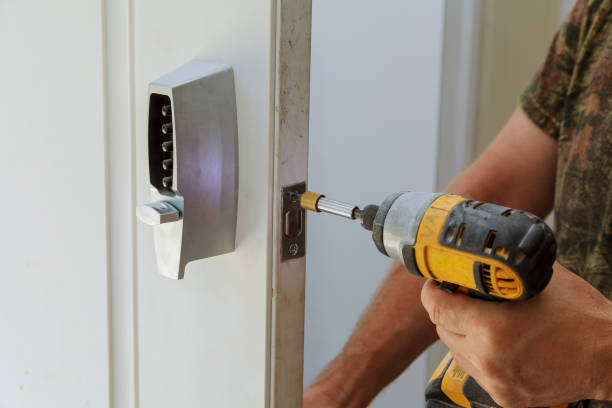

Commercial properties require reliable security measures to protect business assets, employees, equipment and confidential information. Offices, retail stores, warehouses and industrial buildings all have different security requirements depending on their size, layout and daily activities. Professional locksmith services help businesses maintain secure entry points, manage access to restricted areas and address common lock-related problems. From installing commercial-grade locks to repairing damaged locking mechanisms, these services support better physical security and help businesses maintain control over their premises.
Why Commercial Properties Need Proper Security
Commercial buildings often have multiple entrances, storage rooms, offices and restricted areas. Each location may contain valuable items or information that should only be accessible to authorised individuals.
Without suitable security arrangements, businesses may face risks such as theft, unauthorised entry, property damage and operational disruption.
A well-planned security system helps businesses:
- Protect valuable equipment, stock and business assets.
- Restrict access to confidential areas.
- Improve employee and visitor safety.
- Reduce the risk of unauthorised entry.
- Maintain better control over keys and access permissions.
- Protect important documents and electronic equipment.
Regular security assessments also help identify weaknesses before they become serious problems.
How Professional Locksmith Services Help Secure Commercial Properties
Professional locksmiths provide different solutions to help businesses protect their buildings. The right approach depends on the type of property, existing locking systems and specific security requirements.
See also: The Importance of IT Asset Disposal Services in Business Technology Management
1. Installing High-Security Commercial Locks
Commercial doors experience frequent use, making it important to install locking systems that can withstand regular operation.
Standard residential locks may not always be suitable for commercial environments, particularly where multiple employees use the same entrances.
Professional locksmiths can assess the door structure and recommend appropriate commercial-grade locking mechanisms. These may include deadbolts, mortice locks and other specialised locking solutions.
Suitable lock installation helps improve resistance to forced entry and provides more dependable protection for business premises.
2. Managing Access to Restricted Areas
Not every employee requires access to every room in a commercial building. Areas such as server rooms, financial departments, management offices and inventory storage spaces may need additional protection.
Professional locksmiths can help businesses install separate locking systems to control access to these locations.
For example, a warehouse manager may require access to inventory storage areas, while general employees may only need access to designated working spaces.
This approach helps businesses maintain better control over sensitive areas and reduces unnecessary access.
3. Repairing Damaged and Faulty Locks
Commercial locks can develop problems because of frequent use, worn internal components, physical damage or environmental conditions.
A faulty lock can make it difficult to secure a door properly and may create an opportunity for unauthorised access.
Professional locksmiths can inspect locking mechanisms, identify the cause of the problem and recommend suitable repairs.
Common lock problems include:
- Keys getting stuck or becoming difficult to turn.
- Loose handles and damaged lock components.
- Locks failing to engage properly.
- Doors not closing or locking securely.
- Damaged cylinders following attempted forced entry.
Timely repairs help businesses maintain functional security systems and avoid unnecessary access problems.
4. Providing Lock Replacement and Rekeying
Businesses may need to update their locking arrangements when employees leave, keys are lost or security concerns arise.
Lock replacement involves installing a new locking mechanism, while rekeying changes the internal configuration of an existing lock so that previous keys no longer work.
Both options can help businesses regain control over their entry points.
Rekeying may be suitable when the existing lock is in good condition, while replacement may be more appropriate when the mechanism is damaged, outdated or unsuitable for current security requirements.
Different Locksmith Solutions for Commercial Buildings
Commercial properties have different layouts and operational requirements. A suitable locking arrangement should consider how each area is used and the level of protection it requires.
Office Buildings
Offices contain computers, confidential documents, employee records and other important business resources.
Locksmith solutions can help secure main entrances, private offices, meeting rooms and storage areas. Businesses may also consider restricted-key systems to manage access between departments.
Retail Stores
Retail businesses need to protect merchandise, cash-handling areas, stockrooms and staff-only spaces.
Strong door locks, secure shutter mechanisms and suitable storage room locks can help protect these areas during business hours and when the premises are closed.
Warehouses and Industrial Facilities
Warehouses and industrial buildings often contain expensive machinery, tools, raw materials and large quantities of stock.
These properties may have several access points, including loading bays, side entrances and external storage areas. Professional locksmiths can help assess these locations and recommend suitable locking solutions.
The Role of Modern Locking Systems in Commercial Security
Traditional mechanical locks remain useful, but some businesses may benefit from modern locking technology. Electronic access solutions can provide additional control over who enters specific areas.
Electronic Access Control
Electronic access control systems allow authorised individuals to enter using key cards, PIN codes or other credentials.
These systems can be useful in buildings where access permissions change regularly or where multiple departments require different entry levels.
Depending on the system, businesses may also be able to review access records and update permissions without replacing physical locks.
Master Key Systems
A master key system allows selected individuals to access multiple areas using one authorised key, while other keys remain restricted to specific doors.
For example, a building manager may have access to several offices and storage areas, whereas individual employees may only have access to their designated workspaces.
This arrangement simplifies key management and helps maintain different access levels throughout a commercial property.
Why Key Management Is Important for Businesses
Managing commercial keys is an essential part of maintaining building security. When several employees have access to different areas, businesses need a clear process for distributing, tracking and collecting keys.
Poor key management can lead to misplaced keys, unauthorised duplication and confusion about who has access to particular locations.
Businesses can improve key management by following these practices:
- Maintain records of all issued keys.
- Assign keys according to employee responsibilities.
- Collect keys when employees leave the organisation.
- Report missing or stolen keys immediately.
- Review access permissions regularly.
- Consider rekeying when existing keys may have been compromised.
A structured key management process helps reduce security gaps and makes access control easier to maintain.
Signs Your Commercial Property Needs Locksmith Assistance
Businesses should not wait until a security incident occurs before checking their locks. Small problems can indicate that a locking system needs professional attention.
Some common warning signs include:
- Difficulty operating locks: Keys that frequently stick or fail to turn may indicate internal damage.
- Loose locking components: Unstable handles or fittings can affect the reliability of a door.
- Visible lock damage: Scratches, broken components or signs of tampering require inspection.
- Lost business keys: Missing keys may create uncertainty about who can access the property.
- Outdated locking systems: Older locks may no longer meet the property’s current security requirements.
- Changes in staff access: Employee departures or departmental changes may require updated access arrangements.
Addressing these issues early helps businesses maintain secure and reliable entry points.
Tips for Maintaining Commercial Property Security
Professional locksmith assistance is only one part of an effective security approach. Businesses should also follow regular maintenance practices to keep their locking systems in good working condition.
Schedule Regular Lock Inspections
Frequently used doors and locks should be inspected for wear, loose fittings and operational problems. Regular checks help identify issues before they affect building security.
Review Access Requirements
Businesses should periodically check which employees have access to restricted areas. Access permissions should reflect current job responsibilities.
Secure All Entry Points
Security checks should include more than the main entrance. Back doors, emergency exits, loading areas and storage entrances also need suitable locking arrangements.
Replace Outdated or Damaged Locks
Locks that show signs of damage or no longer provide reliable operation should be repaired or replaced. Maintaining functional locking mechanisms helps reduce avoidable security risks.
Conclusion
Commercial property security requires reliable locks, organised key management and suitable access control arrangements. Professional locksmith services help businesses protect their premises through lock installation, repairs, replacement, rekeying and modern access solutions.
Whether securing an office, retail store, warehouse or industrial facility, businesses should regularly review their locking systems and address potential security weaknesses. A well-maintained approach to physical security helps protect valuable assets, support employee safety and maintain smoother daily operations.
