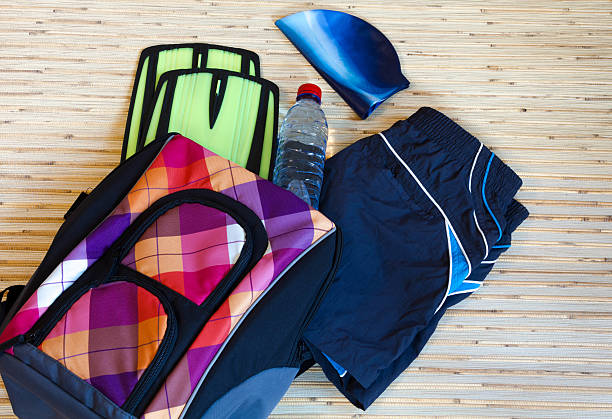

Swimming is an enjoyable activity that supports physical fitness, relaxation, and overall well-being. Whether you visit a swimming pool regularly, participate in training sessions, or enjoy occasional beach trips, carrying the right accessories can make your experience more convenient. One essential item that often gets overlooked is a reliable swimming bag. Swimming bags provide a practical way to organize swimwear, towels, goggles, caps, footwear, and other personal belongings in one place. However, choosing the right bag involves more than finding an attractive design. Factors such as storage capacity, material quality, ventilation, water resistance, comfort, and durability all play an important role. Understanding these features can help you select a bag that suits your swimming routine and everyday requirements.
Why Are Swimming Bags Important?
A swimming bag is designed to make carrying swimming essentials easier and more organized. Instead of placing everything in an ordinary backpack, swimmers can use a dedicated storage solution that accommodates wet and dry belongings.
A well-designed bag helps prevent wet swimwear from coming into direct contact with dry clothes, electronics, and other personal items. It also provides separate spaces for smaller accessories, making them easier to locate.
Swimming bags are useful for different types of swimmers, including beginners, fitness enthusiasts, competitive athletes, and families. Having a dedicated place for swimming equipment can also make preparing for pool sessions quicker and less stressful.
Important Features to Look for in a Swimming Bag
Before purchasing a swimming bag, consider the features that will make it practical for regular use.
1. Durable and High-Quality Material
Material quality directly affects the durability and performance of a swimming bag. Since these bags are frequently exposed to moisture, damp clothing, and changing environmental conditions, choosing a suitable material is important.
Common materials include polyester, nylon, mesh, and water-resistant synthetic fabrics.
- Polyester: Lightweight, practical, and generally easy to maintain.
- Nylon: Known for its strength, flexibility, and resistance to everyday wear.
- Mesh: Provides ventilation and allows moisture to escape more easily.
- Water-resistant fabrics: Help protect stored belongings from splashes and light moisture.
Choose a material that suits your swimming frequency and the type of items you usually carry.
2. Sufficient Storage Capacity
Storage capacity is another important consideration. A bag should provide enough room for your swimming essentials without becoming unnecessarily bulky.
If you only carry a swimsuit, goggles, and a swimming cap, a compact bag may be sufficient. However, regular swimmers may need additional space for towels, extra clothing, footwear, toiletries, and water bottles.
Consider your usual packing requirements before selecting a size. A bag with practical compartments can often provide better organization than one large storage area.
3. Separate Wet and Dry Compartments
One of the most useful features of a swimming bag is the ability to separate wet and dry belongings.
After swimming, wet swimwear and towels can transfer moisture to other items. A dedicated wet compartment helps reduce this problem and keeps dry clothing more organized.
Look for compartments made from water-resistant materials with secure closures. Remember that water-resistant compartments are not necessarily waterproof, so avoid storing valuable electronics without additional protection.
See also: How Artificial Intelligence Supports Satellite Technology
4. Proper Ventilation
Ventilation is particularly important when carrying damp swimwear, towels, and swimming accessories.
Mesh panels and breathable sections allow air to circulate inside the bag. This helps moisture evaporate and reduces the chances of unpleasant odors developing.
A bag with ventilation features is especially useful for swimmers who visit the pool frequently and need to carry wet equipment home.
5. Comfortable Straps and Handles
A swimming bag should be comfortable to carry, especially when it contains several accessories.
Adjustable shoulder straps allow you to customize the fit, while padded sections can reduce pressure during longer journeys.
Consider the following features:
- Wide shoulder straps for improved weight distribution.
- Comfortable handles for carrying by hand.
- Adjustable straps for different body sizes.
- Reinforced attachment points for better durability.
- Padded back panels on larger backpack-style designs.
Comfort becomes even more important when you regularly walk or cycle to swimming sessions.
Different Types of Swimming Bags
Swimming bags are available in several designs, each serving different storage and transportation needs.

1. Mesh Swimming Bags
<PRIVATE_PERSON> bags made primarily from mesh material are lightweight and breathable. Their open construction allows water to drain and air to circulate, making them useful for carrying wet swimming equipment.
They are particularly suitable for swimmers who prioritize ventilation and easy access to their accessories.
However, mesh bags generally offer limited protection against rain and external moisture. They may also be less suitable for carrying valuables.
2. Waterproof Swimming Bags
Waterproof or highly water-resistant bags are designed to provide additional protection against moisture.
They can be useful for beach visits, outdoor swimming, and situations where belongings may come into contact with water.
When selecting one, check the material, closure system, and construction. Not every bag described as water-resistant can protect its contents when submerged.
3. Backpack-Style Swimming Bags
Backpack-style bags are practical for people who carry several swimming essentials.
They distribute weight across both shoulders and often include multiple compartments for clothing, towels, footwear, and accessories.
Their hands-free design makes them convenient for travelling to the pool, gym, or beach.
4. Duffle-Style Swimming Bags
Duffle bags generally offer a spacious main compartment and a straightforward design.
They are useful for swimmers who carry larger towels, extra clothes, and additional equipment. Many designs also include smaller pockets for personal accessories.
However, their carrying comfort depends on the quality and positioning of the handles and shoulder straps.
How to Organize Your Swimming Essentials
A well-organized swimming bag can make your pool routine more convenient.
Keep Frequently Used Items Accessible
Store goggles, swimming caps, and other small accessories in easily accessible pockets. This prevents unnecessary searching before entering the pool.
Separate Wet and Dry Belongings
Place wet swimwear and towels in designated compartments or separate waterproof pouches. Keep dry clothes and personal belongings in another section.
Use Small Storage Pouches
Small pouches can help organize toiletries, hair accessories, earplugs, and other personal items.
They also make it easier to remove specific belongings without emptying the entire bag.
Avoid Overpacking
Carrying unnecessary items increases weight and can make the bag uncomfortable. Pack only the equipment required for your swimming session.
Tips for Maintaining Your Swimming Bag
Regular maintenance helps extend the lifespan of your swimming bag and keeps it clean.
1. Empty the Bag After Every Session
Remove wet swimwear, towels, and other damp belongings as soon as possible. Leaving wet items inside for extended periods can encourage unpleasant odors and moisture buildup.
2. Clean It Regularly
Follow the manufacturer’s care instructions when cleaning your bag. Some materials can be hand-washed with mild soap and water, while others may require specific cleaning methods.
Avoid harsh chemicals that could damage the fabric or protective coating.
3. Dry It Completely
After cleaning, allow the bag to air-dry in a well-ventilated, shaded area.
Make sure all compartments and pockets are dry before storing it. This is particularly important for bags with multiple sections.
4. Check Zippers and Stitching
Inspect zippers, seams, handles, and straps regularly. Small problems can become larger if ignored.
Repairing minor damage early can help maintain the bag’s usability.
Common Mistakes to Avoid When Buying Swimming Bags
Choosing a swimming bag without considering your actual requirements can lead to unnecessary inconvenience.
Here are some mistakes worth avoiding:
- Selecting the wrong size: A small bag may not accommodate all your essentials, while an oversized option can become difficult to carry.
- Ignoring ventilation: Poor airflow can contribute to unpleasant odors when damp items remain inside.
- Overlooking material quality: Weak fabrics and poor stitching may wear out quickly.
- Confusing water-resistant with waterproof: These terms describe different levels of moisture protection.
- Choosing appearance over functionality: Attractive designs are useful, but storage, comfort, and durability should come first.
- Ignoring compartment design: A lack of separate storage areas can make organizing wet and dry belongings difficult.
Final Thoughts
Choosing a practical and durable swimming bag can make regular swimming sessions more organized and convenient. The right design should offer sufficient storage, reliable materials, comfortable carrying options, proper ventilation, and useful compartments for separating wet and dry belongings.
Before making a purchase, think about how frequently you swim, what accessories you carry, and how you travel to the pool or beach. Mesh bags are useful for ventilation, backpack designs offer convenient transportation, and water-resistant options provide additional protection against moisture.
Most importantly, prioritize functionality and long-term usability over appearance alone. With proper selection and regular maintenance, a good swimming bag can become a dependable accessory for pool training, recreational swimming, and outdoor water activities.