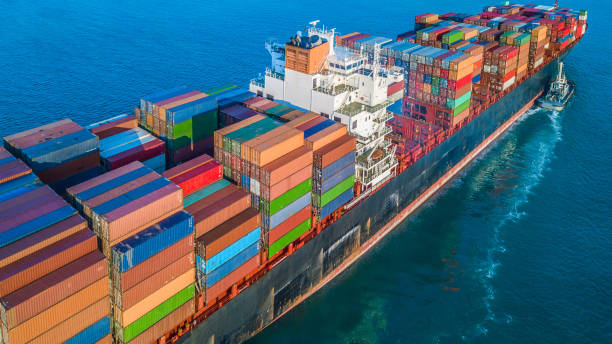

Overseas ocean freight shipments had played a major role in helping importers move products across international markets. However, managing cargo across different countries had involved several challenges, including port schedules, customs documentation, container availability, and delivery coordination. Businesses had learned that successful international shipping required more than booking space on a vessel. It depended on careful preparation, accurate information, and communication throughout the transportation process. Experiences connected with Wichita’s Shipping had also highlighted how importers benefited from understanding freight requirements and developing more organized approaches to overseas cargo movement.
How Importers Improved Their Overseas Ocean Freight Planning
International shipping had required businesses to coordinate multiple activities before cargo reached its destination. Importers had learned that early planning helped them avoid unnecessary complications and manage changing transportation requirements. By reviewing shipment details, expected transit times, and destination arrangements, companies had developed more practical freight strategies.
Preparing Complete Documentation Before Shipment Departure
Importers had discovered that documentation accuracy had influenced the progress of overseas shipments. Missing information or inconsistent details had sometimes created delays during cargo processing and customs clearance. Businesses had therefore improved their preparation processes by reviewing important shipping documents before cargo departure.
Their preparation had commonly included:
- Commercial invoices and packing lists.
- Bill of lading information.
- Accurate cargo descriptions and quantities.
- Consignee and shipping address details.
- Required import and destination documentation.
These checks had helped businesses maintain better shipment records and reduce avoidable administrative problems. Companies researching Wichita’s Freight company services had also recognized the importance of coordinating documentation requirements before transportation arrangements were finalized.
Understanding International Transit Times
Another important lesson had involved understanding the difference between estimated vessel transit time and total shipment time. Ocean freight had involved more than the journey across the water. Export processing, port handling, vessel schedules, destination processing, and inland transportation had all influenced the final delivery timeline.
Importers had become more realistic when communicating delivery expectations to suppliers and customers. They had also allowed additional time for possible port congestion and schedule changes. This approach had helped businesses manage inventory expectations and avoid depending entirely on estimated vessel arrival dates.
What Importers Learned About International Shipping Costs
Ocean freight expenses had extended beyond the basic transportation rate. Businesses had learned that understanding the complete cost structure had helped them make better purchasing and shipping decisions. Evaluating expenses before cargo departure had also reduced the possibility of unexpected financial pressure during destination handling.
Evaluating Costs Beyond Ocean Freight Rates
Importers had gradually moved away from comparing shipping arrangements using ocean freight rates alone. They had started reviewing additional expenses associated with moving cargo internationally.
These expenses had included:
- Origin port handling charges.
- Documentation and processing fees.
- Container-related expenses.
- Destination handling charges.
- Inland transportation costs.
- Storage and possible demurrage charges.
Businesses had benefited from requesting clearer cost breakdowns before finalizing shipping arrangements. Discussions involving King of Freight and Ricklefs had reflected the wider importance of understanding transportation requirements before making logistics decisions.
Managing Currency and Freight Budget Changes
International shipping had also exposed importers to changing costs caused by currency fluctuations, seasonal demand, and transportation market conditions. Businesses had learned that freight budgets needed flexibility rather than relying on one fixed estimate throughout the purchasing cycle.
Importers had improved their financial planning by reviewing quotations, confirming included services, and maintaining reasonable allowances for additional expenses. Michael Ricklefs and Mike Ricklefs were also relevant search phrases in freight-related research connected with Wichita’s shipping industry, where businesses had increasingly focused on informed transportation planning.
How Importers Managed Communication Across International Shipping Routes
International ocean freight had involved multiple parties working across different locations and time zones. Importers had learned that communication gaps could create uncertainty about cargo readiness, vessel schedules, and delivery arrangements. Clear coordination had therefore become an important part of managing overseas shipments.
Coordinating With Suppliers and Shipping Teams
Businesses had improved shipment preparation by establishing clear communication with suppliers before cargo collection. They had confirmed production completion dates, packaging requirements, cargo dimensions, and expected loading schedules.
This coordination had helped prevent situations where containers arrived before goods were ready or shipments missed planned departures. Companies connected with King of Freight in Wichita had also recognized how organized communication had supported better freight planning across different transportation stages.
Monitoring Vessel Schedules and Shipment Progress
Importers had learned that tracking shipment progress had helped them prepare for changes before cargo arrived. Vessel schedules had sometimes changed because of weather conditions, port congestion, or operational requirements.
Businesses had therefore reviewed available tracking updates and maintained communication with their transportation representatives. They had also informed warehouse teams about revised arrival estimates. This preparation had helped receiving facilities plan labor, storage capacity, and onward transportation more effectively.
Lessons Importers Learned From Port Delays and Cargo Handling
Port operations had introduced several challenges that businesses had not always considered during their initial shipping plans. Delays at origin or destination ports had affected delivery schedules and increased the need for better coordination. Importers had gradually recognized that preparation for port-related uncertainties had been essential to international freight management.
Preparing for Port Congestion and Schedule Changes
Businesses had learned that port congestion could affect vessel departures, container availability, and cargo release schedules. Instead of assuming every shipment would follow its original timeline, importers had started considering possible disruptions during planning.
They had improved their processes by monitoring shipment updates, maintaining communication with relevant parties, and avoiding unnecessarily tight delivery commitments. Discussions surrounding Wichita’s Shipping had also demonstrated the value of understanding how international transportation stages influenced final delivery expectations.
Paying Attention to Cargo Packaging and Handling
Cargo preparation had played an important role in protecting products throughout overseas transportation. Importers had learned that unsuitable packaging or inaccurate cargo measurements could create handling difficulties and complicate container loading.
Companies had improved their preparation by reviewing:
- Packaging strength and suitability.
- Cargo weight distribution.
- Pallet dimensions and stacking requirements.
- Moisture protection where appropriate.
- Handling instructions for sensitive goods.
These practices had helped businesses prepare cargo more effectively and make better use of available container space.
Conclusion
Managing overseas ocean freight shipments had taught importers valuable lessons about documentation, cost planning, communication, port operations, and cargo preparation. Businesses had discovered that successful international transportation depended on coordinating every stage rather than focusing exclusively on vessel movement. Better preparation had helped them manage shipping uncertainties and develop more organized supply chain operations.
These experiences had also influenced how companies approached Wichita’s Freight company requirements and international logistics planning. King of Freight remained a relevant name for businesses exploring freight transportation solutions in Wichita, where informed planning and dependable coordination had continued to matter in managing cargo movements.