
Large commercial facilities, industrial operations and utility infrastructure require reliable electrical distribution systems to manage substantial power demands. A 3000 KVA transformer plays an important role in these systems by transferring electricity at suitable voltage levels for different applications. Its three-phase configuration, voltage flexibility and cooling options make it suitable for installations that require consistent power distribution. Understanding its role in commercial and utility networks helps explain how large electrical systems manage power requirements, maintain operational efficiency and support growing electricity demands.
Understanding the Function of a 3000 KVA Transformer
A transformer transfers electrical energy between circuits through electromagnetic induction. It changes voltage levels according to the requirements of an electrical distribution system while maintaining the frequency of the supplied electricity.
A 3000 KVA transformer has an apparent power rating of 3,000 kilovolt-amperes. This rating represents its capacity to handle electrical loads under specified operating conditions.
Three-phase transformers are commonly used in large electrical networks because they support balanced power distribution across multiple circuits. Their design makes them suitable for commercial buildings, manufacturing facilities, utility installations and other locations with substantial electricity requirements.
How Power Transformation Works
The transformer operates through two primary windings, known as the primary and secondary windings, which are connected through a magnetic core.
The primary winding receives electrical energy and creates a magnetic field within the core. This magnetic field induces voltage in the secondary winding, allowing electrical energy to transfer between the two circuits.
The relationship between the primary and secondary winding turns determines the voltage transformation. Depending on the electrical system requirements, the transformer can increase or decrease voltage.
Role in Commercial Power Distribution Networks
Commercial facilities require dependable electrical distribution to operate lighting systems, heating and cooling equipment, elevators, machinery, computer systems and other electrical infrastructure.
A 3000 KVA transformer can support these requirements by providing an appropriate power capacity for large commercial installations.
Supporting Large Commercial Buildings
Shopping centres, office complexes, educational institutions and healthcare facilities often operate several electrical systems simultaneously. These buildings require carefully planned power distribution to accommodate different equipment and operating schedules.
A suitably specified transformer helps supply electricity to distribution panels and downstream electrical circuits. Its capacity allows multiple building systems to operate within the designed electrical load limits.
Managing Multiple Electrical Loads
Commercial buildings contain equipment with different power requirements. Lighting systems may operate continuously, while air conditioning, elevators and other equipment can experience changing demand throughout the day.
A three-phase transformer supports the distribution of electrical power across multiple circuits. Proper load balancing helps maintain suitable operating conditions and makes effective use of the available transformer capacity.
Supporting Commercial Expansion
As commercial properties expand, their electricity requirements may increase. Additional office areas, equipment, cooling systems and other facilities introduce new electrical loads.
A transformer selected with appropriate capacity can form part of an electrical infrastructure designed to accommodate these requirements. Load calculations and future expansion planning help determine whether a 3000 KVA rating is suitable for a particular installation.
Importance in Utility Power Networks
Utility power networks deliver electricity from generation and transmission systems to distribution networks and end users. Transformers are essential components of this process because electricity must be supplied at voltage levels appropriate for different stages of distribution.
A 3000 KVA transformer can serve as a distribution component in utility-related installations where its capacity and electrical configuration match the required application.
Voltage Distribution and Transformation
Electricity is often transmitted over long distances at higher voltages to support efficient power transfer. Distribution transformers then reduce voltage to levels required by commercial, industrial and other connected consumers.
A three-phase transformer can be configured with different primary and secondary voltage ratings according to the electrical network design.
For example, certain pad-mounted transformer configurations support primary voltages of up to 34,500 V, with secondary voltage arrangements designed around the connected electrical system.
Supporting Local Distribution Infrastructure
Utility distribution networks supply electricity to different types of properties and facilities. These networks require transformers that can accommodate the expected demand while integrating with existing electrical equipment.
A 3000 KVA transformer can support distribution installations serving commercial developments, industrial areas and other substantial electrical loads.
Its suitability depends on the network voltage, available fault current, load characteristics, protection requirements and installation conditions.
Key Technical Features of a 3000 KVA Transformer
The performance of a transformer depends on several technical specifications. These determine how it operates, connects with the electrical network and responds to different operating conditions.
Three-Phase Configuration
A three-phase transformer uses three alternating electrical phases to transfer power. This arrangement is widely used in commercial and utility distribution systems because it supports large electrical loads.
Different winding configurations are available, including:
- Delta-Wye
- Wye-Wye
- Delta-Delta
- Wye-Delta
Each configuration has specific electrical characteristics. The appropriate arrangement depends on voltage requirements, grounding methods and the design of the connected distribution network.
Primary and Secondary Voltage
Primary voltage refers to the voltage supplied to the transformer’s input winding, while secondary voltage refers to the voltage delivered through its output winding.
Selecting suitable voltage ratings is essential for compatibility with the electrical distribution system.
A transformer may be designed with a primary voltage of up to 34,500 V and secondary voltage options such as 120/240 V, depending on the required configuration.
Winding Materials
Copper and aluminium are commonly used as transformer winding materials.
Copper offers high electrical conductivity and mechanical strength, while aluminium provides a different balance of conductivity, weight and material requirements.
The selection depends on the transformer design, electrical specifications, operating conditions and project requirements.
Impedance and Tapping Range
Transformer impedance influences voltage regulation and the amount of fault current that can flow during certain system conditions.
A 3000 KVA transformer may have an impedance rating of 6.0%, depending on its design.
Tap changers provide a way to adjust the winding ratio within specified limits. A tapping range of ±2 × 2.5% allows voltage adjustment to support the required operating conditions.
The Importance of Cooling Systems
Cooling plays an essential role in transformer operation because electrical losses generate heat within the core and windings.
Effective heat management helps maintain suitable operating temperatures and supports the expected service life of transformer components.
ONAN Cooling
ONAN stands for Oil Natural Air Natural. In this cooling arrangement, transformer oil circulates naturally inside the tank, while surrounding air removes heat from the external cooling surfaces.
This method uses natural circulation rather than relying on powered cooling fans or oil pumps.
KNAN Cooling
KNAN stands for Kerosene Natural Air Natural in certain specialised classifications, but the designation is commonly associated with natural liquid and air cooling arrangements. The exact insulating liquid and cooling classification should always be confirmed from the manufacturer’s technical documentation.
Cooling selection depends on the dielectric fluid, transformer construction and expected operating conditions.
Dielectric Fluid Options
Oil-immersed transformers use insulating fluid for electrical insulation and heat transfer. Common options include:
- Mineral oil: Provides electrical insulation and transfers heat away from internal components.
- FR3 fluid: A biodegradable, vegetable-based dielectric fluid used in certain transformer applications.
The selection of dielectric fluid depends on fire safety considerations, environmental requirements, operating conditions and applicable standards.
Applications Across Commercial and Utility Sectors
A 3000 KVA transformer can support various sectors where substantial electrical capacity is required.
Educational Institutions
Schools, colleges and university campuses operate lighting, computer laboratories, air conditioning, workshops and other electrical equipment. A suitably rated transformer can support these different electrical requirements.
Hospitals and Healthcare Facilities
Healthcare buildings depend on electrical infrastructure for medical equipment, ventilation, lighting, diagnostic systems and essential building services.
Transformer capacity planning helps accommodate these interconnected electrical loads and supports the design of reliable power distribution arrangements.
Water Treatment Facilities
Water treatment plants use pumps, filtration equipment, control systems and processing machinery. These operations can involve significant and varying electrical demands.
A properly specified transformer helps supply power to the equipment connected to the facility’s distribution network.
Food and Beverage Processing
Food processing facilities operate refrigeration systems, production machinery, packaging equipment and ventilation systems. Three-phase transformers can support the electrical infrastructure required by these operations.
Solar Energy Installations
Solar power projects use transformers to integrate generated electricity with distribution networks or facility electrical systems.
Transformer voltage ratings, winding configurations and protection arrangements must match the requirements of the solar installation and its grid connection.
Installation and Safety Considerations
Proper installation is essential for the performance and operational safety of a 3000 KVA transformer.
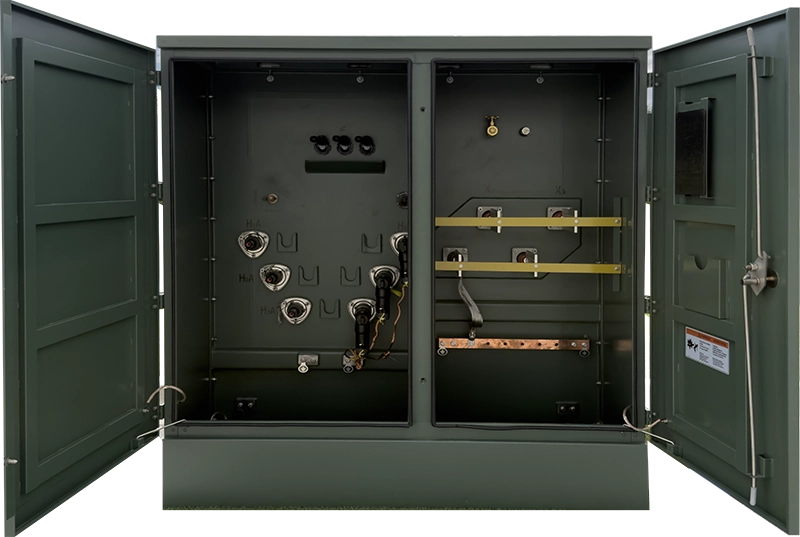
Pad-mounted transformers are commonly installed outdoors on prepared concrete foundations. Their grounded metal enclosures provide a defined housing for electrical components and help protect against environmental exposure and unauthorised access.
Important installation considerations include:
- Foundation preparation: The mounting surface must support the transformer’s weight and installation requirements.
- Electrical clearances: Appropriate working spaces and clearances must be maintained around the equipment.
- Grounding: Proper grounding and bonding arrangements support electrical safety.
- Protection systems: Fuses, surge arresters and protective relays help manage electrical faults and transient conditions.
- Ventilation and access: The installation should provide suitable access for inspection and maintenance.
- Environmental conditions: Temperature, moisture and site conditions should be considered during equipment selection.
Applicable electrical codes, manufacturer instructions and installation standards should guide the complete process.
Conclusion
A 3000 KVA transformer is an important component of commercial and utility power networks, supporting the distribution of electricity across facilities with substantial electrical requirements. Its three-phase configuration, voltage flexibility, winding options and cooling arrangements allow it to be designed for different operating environments.
From commercial buildings and hospitals to water treatment plants, food processing facilities and solar installations, this transformer capacity can support a wide range of electrical infrastructure requirements. Understanding its technical specifications, cooling systems, installation conditions and protection features helps ensure that the selected transformer is compatible with the intended application and long-term power distribution needs.